
More than 1 billion birds die in collisions with glass every year. Help keep birds safe!

Report a Collision

If you find a dead or injured bird that has collided with glass, you can make a difference by reporting it through dBird.

Our organization has direct access to local dBird reports, allowing us to track patterns, identify high-risk areas, and support targeted conservation efforts. By sharing your observations, you’re helping us and our research partners protect birds, inform safer building designs, and advocate for stronger local protections.

Thank you for helping keep our skies and cities safer for birds.

If you find an injured bird please contact Wetlands & Wildlife.

Phone Number: (714) 374-5587

Facility Address
21900 Pacific Coast Highway
Huntington Beach,CA 92646
(Newland & PCH)

Why Birds Hit Glass:

Birds don’t perceive glass the way humans do. What looks like a simple window to us is a deadly illusion for birds. Birds can’t recognize glass as a solid barrier. To them, clear and reflective windows look like open sky or real habitat, such as trees, bushes, or a continuation of the landscape. These visual tricks lead birds to collide with buildings at full speed, making glass one of the leading human-caused threats to bird populations.  Learning how and why these collisions occur helps spark awareness and encourages solutions that can make our shared environments safer for birds.

Transparent glass: Birds see through clear glass to what’s beyond it and try to fly through, believing there’s free space or habitat on the other side.

Reflective glass: Reflections of sky and vegetation in windows trick birds into thinking they are flying toward safe natural areas. 

Artificial light: Many bird species migrate at night. Bright lights from buildings can attract and disorient them, drawing birds into urban areas where glass surfaces are widespread and collisions are more likely.

Weather and visibility: Fog, rain, and low cloud cover can reduce visibility and cause birds to fly at lower elevations, bringing them closer to buildings and increasing the risk of collisions—especially during migration seasons.

How YOU Can Help Reduce Collisions 

MAKE YOUR WINDOWS VISIBLE TO BIRDS

Applying patterns, decals, tape, or window films to the outside of glass helps birds recognize windows as solid barriers. Effective treatments follow the “2×2 rule,” with visual markers spaced no more than two inches apart horizontally and vertically, preventing birds from trying to fly through apparent gaps.

Exterior screens, netting, awnings, and shutters reduce reflective glare and create a buffer between birds and glass. These measures both make windows more visible and lessen the chance of serious injury if a bird does strike.
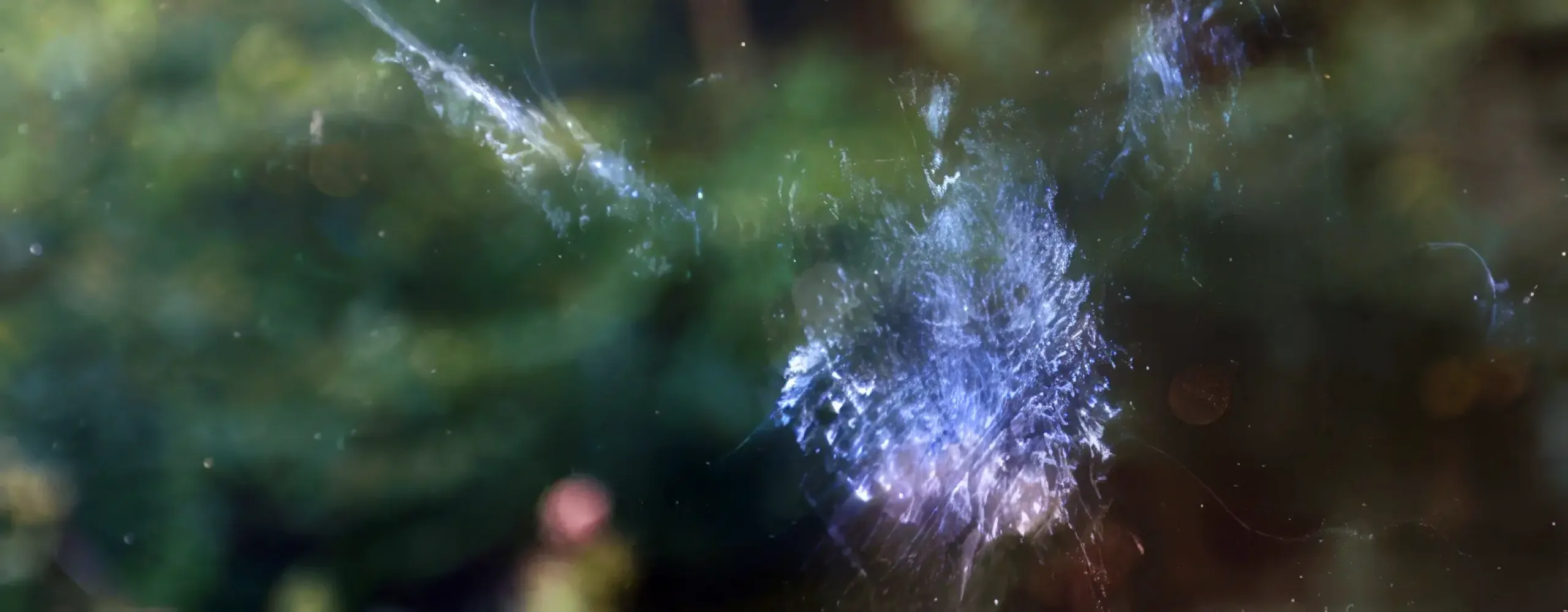
REDUCE ARTIFICIAL LIGHT AT NIGHT

Many birds migrate at night and can be attracted to and disoriented by bright artificial lights. Turning off unnecessary interior and exterior lighting from 11:00 p.m. to 6:00 a.m. during peak migration periods (April 1 – May 31 in spring and August 15 – November 15 in fall) can greatly reduce the risk of collisions. Using timers, motion sensors, shielded lighting, and closing blinds at night further helps limit the light that draws birds toward buildings.

ADVOCATING FOR BIRD-FRIENDLY PRACTICES

Protecting birds starts at the ground level. Support bird-safe building designs by using bird-safe glass with patterns or fritting that help prevent collisions. Encourage building owners to retrofit existing windows with films, decals, or screens for immediate impact.

At the community level, promote wider adoption of bird-friendly solutions among developers and businesses. Work with local governments to implement “Lights Out” programs in cities, reducing nighttime lighting during migration and helping keep birds safe.

TAKE ACTION BY REPORTING COLLISIONS

By taking part in community science and reporting bird collisions to dBird, you help build a clearer picture of where and why collisions are happening. This information allows us to identify collision hotspots, learn more about the structures birds are colliding with, and focus Lights Out efforts where they are needed most. Every report makes a meaningful contribution toward protecting birds and creating safer environments in our community. 

Bird Collisions Subcommittee

 The Bird Collisions Subcommittee is committed to creating safer spaces for birds by addressing one of the leading human-caused threats to bird populations. Through education, research, and advocacy, we work to understand the problem, share solutions, and inspire action at the community level. Our work includes public outreach, data collection, and collaboration with partners to promote bird-friendly design and lighting practices. 

Our group meets on the third Wednesday of each month, and we encourage new members to join us. If you’d like to get involved, please contact birdcollisions@seaandsage.org

Join Our Lights Out Initiative

Every spring and fall, millions of birds migrate at night as part of their incredible seasonal journeys. During these flights, they rely on stars and natural light to navigate. However, bright artificial lights from buildings and urban areas can disorient and attract migrating birds, drawing them into dangerous city airspace where they are more likely to become confused, exhausted, and collide with windows or structures. Turning off unnecessary lights has been shown to create safer passages for these birds and dramatically reduce fatal collisions.

Our Lights Out initiative aims to bring this solution to cities in our area by encouraging businesses, institutions, and residents to reduce light pollution during peak migration periods. By dimming or turning off non-essential lighting at night during migration seasons, we help birds continue their journeys safely and support energy conservation and sustainability.

Help provide safe passage for night-migrating birds by joining our Lights Out Task Force

Email birdcollisions@seaandsage.org